Cord labels or color-coded cable tags
LabelingPick tags you can write on that stay put when wet. Plan one color per device type, and write the device name on the tag.
Reader-supported: some links on this page are affiliate links. As an Amazon Associate I earn from qualifying purchases, at no extra cost to you.
A sitter kit makes the right action obvious: one instruction page, labeled gear, pre-portioned food and a plan to call you instead of improvising.
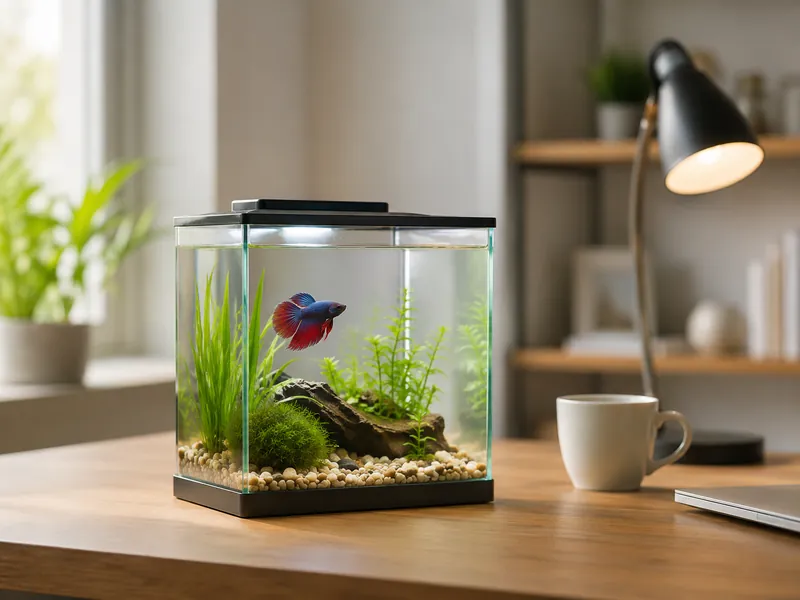
A good aquarium sitter kit is a one-page instruction sheet, labels on every plug and valve, pre-portioned food, and a short list of who to call. Build it a few days before you leave, so you can check that a stranger could follow it. The goal is to make the right action obvious and the wrong action hard.
Choose someone reliable and give them ten minutes in front of the tank before you go. Walk through the sheet, show them where the food and the towels are, and ask them to read the sheet again before the first solo visit. A sitter who has seen the setup once makes far fewer mistakes than one who is handed instructions at the door.
A sitter does not need to understand your tank. They need to know what to do each day, what normal looks like, and who to call if it does not. Most trouble comes from guessing: pushing the wrong switch, adding extra food because the tank "looks hungry", or moving a plug that was in a particular place for a reason. A kit takes the guessing out.
If you plan to use an automatic feeder instead of a sitter, see our guides to feeders for vacations and setting one up before you leave. If you are weighing whether to skip feeding for a short trip, read our guide on skipping feeds and decide that yourself; the sitter should follow your decision, not make one.
Keep it to one page, in large type, and put it where the sitter will see it, such as taped inside a cabinet door or on the fridge. Include these items, in this order:
That last line is the most important. A sitter who panics and adds a product can cause more trouble than the original problem. Decide in advance that the sitter's only job is to look and call.
| Section of the sheet | What goes in it | Example wording |
|---|---|---|
| Contacts | You, a backup, a local shop | Call me first. If I do not answer, call the backup contact listed above. |
| Visit schedule | Days, times, duration | Mon, Wed, Fri, evening, about ten minutes |
| Feeding | Which container, which day | Open the box marked with today's day. Nothing else. |
| Normal check | What you expect to see and hear | Light on, filter humming, water at the tape line |
| If wrong | One instruction | Take a photo, change nothing, call me |
Fill in your own wording and keep it short. A sitter reads a long sheet once and a short one every visit. Large type matters, because the sheet will be read in a dim room by someone holding a bag.
Cheap supplies do most of the work. Cord tags or color-coded bands mark each plug with the name of the device. Waterproof label tape marks valves and switches. A fine permanent marker writes on the tape. A day-of-the-week container or small labeled boxes hold pre-portioned food. A dry-erase board near the tank carries the schedule. None of this is specialized, and a visit to a stationery shop can supply most of it. Search links are below if you prefer to order.
Pick tags you can write on that stay put when wet. Plan one color per device type, and write the device name on the tag.
A seven-day organizer keeps each day's portion separate. Look for a design with secure lids so the food stays dry.
Check that the labels are water-resistant and that tape cartridges are available for your machine.
Describing "normal" is the part owners skip, and it is what lets a sitter notice a problem. Write what you hear and see on an ordinary day: the filter's sound, the light on its timer, the heater's indicator if your heater has one, the water at the tape line. The sitter is not judging chemistry, only comparing what they see to your description. When something differs, they take a photo and call.
Tag every plug at the outlet end and the device end, so a sitter can trace a cord without lifting equipment. If you use a power strip with a switch, label what each switch controls. Mark the normal water level with a small piece of tape on the outside of the glass, so a sitter can see whether it has dropped. If the tank has plumbing, a canister filter or a sump, label any shutoff valve with the word "open" or "closed" and the direction, then take a photo of the normal setup for the sheet.
Tell the sitter not to adjust, reposition or replace equipment. Keep hands out of the tank, and unplug equipment first if hands must go in the water. Electrical items follow their manuals; see our electrical safety guide for drip loops and GFCI basics.
Put each visit's food in its own labeled compartment, and put the full set in one place next to the tank. Pre-portioning removes the guesswork about how much, and it makes it obvious if a day was missed. Keep spare supplies, such as tubing or an air pump, in a labeled box so the sitter does not have to hunt for them. Take away anything you do not want touched: remove the open container of an additive, for example, so that it cannot be used by mistake.
A short emergency bag sits near the tank: a flashlight, towels, a bucket and a battery backup air pump with fresh batteries, if you own one. The power-outage plan explains how a keeper would use these. If you want an alert in your pocket, our leak detector guide covers sensors that can message you.
Think about what happens if the sitter cannot get in. Give a spare key to a second person, tell the sitter whom to ask if the door is locked, and agree how you will know the visit happened, such as a photo message after each visit. A short message of "fed, looks normal" costs the sitter ten seconds and keeps you informed.
A few days before you go, walk a friend through the sheet without explaining anything. Watch where they hesitate. Fix the label, rewrite the line, and test again if needed. Give the sitter a spare key and the sheet, and confirm they know the date you return. If you are traveling over a holiday, check the dates against shop opening hours, so the person you named to call is open when they need to be.
A one-page instruction sheet, labels on every plug and valve, pre-portioned food for each visit, a list of contacts and a short emergency bag with a flashlight, towels and a bucket.
As little as possible. Ask them to feed the portions you leave, look at the tank and call you if anything seems different. Tell them not to add or change anything.
Use writable cord tags or color-coded bands at both ends of each cord, and label any power strip switch with what it controls. Keep drip loops and electrical details to the manuals.
It depends on the trip and the tank. Our guides on feeders cover the hardware, and a sitter kit covers the human side. You can use both.
A few days before you leave, so you can test the sheet with someone who does not know the tank. Last-minute labels cause mistakes.
This article is an organizing guide, not a care guide. It contains no feeding amounts, no water-chemistry advice and no figures. What the sitter does each day is your decision, based on your own tank.
Heads-up: AquariumSetup.co participates in the Amazon Associates and eBay Partner Network programs. We may earn a commission on qualifying purchases at no extra cost to you. We only recommend gear we believe is genuinely useful to beginners.