Aquarium-safe cyanoacrylate gel for plants and moss
GlueLook for a gel that states aquarium use on the label, and check the ingredient list. A precision tip helps you apply a small amount.
Reader-supported: some links on this page are affiliate links. As an Amazon Associate I earn from qualifying purchases, at no extra cost to you.
A gel labeled for aquarium use is quick, and thread or mesh avoids glue. Read the label, use very little, and keep it off skin.
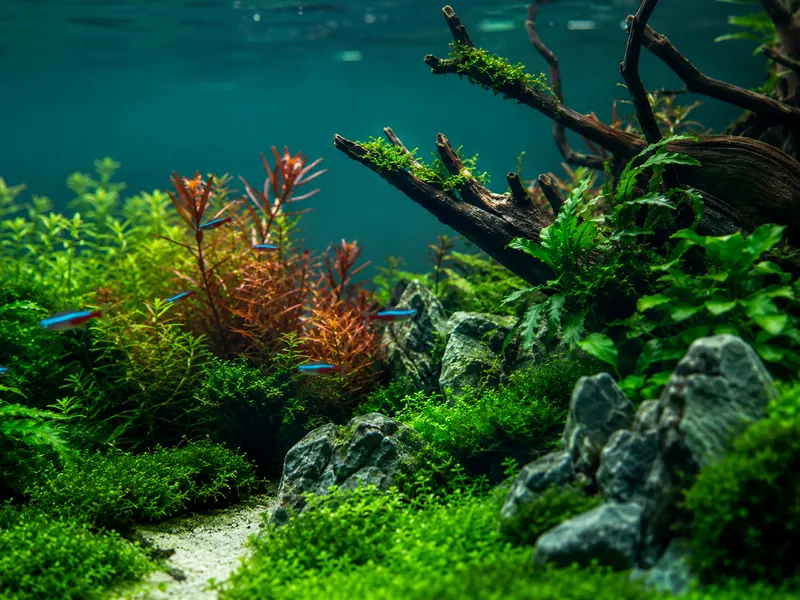
The usual choice for attaching plants and small decor to wood or rock is a cyanoacrylate gel sold for aquarium use, with thread, fishing line or mesh as no-glue alternatives. Buy a product whose maker says it is for aquarium use, read the label, apply a little to one surface and handle it with care out of the water. Do not use glue as a structural adhesive for heavy hardscape.
Plants that grow attached to hardscape, such as many ferns, anubias and mosses, need holding in place until they root. There are four common ways to do that, and each suits a different job.
Our driftwood and hardscape guide covers attaching plants as a step in a build, and this guide looks at the supplies and the cautions behind each method.
Aquarium glue is mostly ordinary cyanoacrylate sold with a tank use in mind. One aquarium retailer describes its gel as ethyl cyanoacrylate with a thickener, says it cures in water and calls it safe for fish, plants, snails and shrimp. That is the seller's description, and it is the reason to buy a product whose label states aquarium use, not any glue that happens to be in a drawer.
An encyclopedia entry on cyanoacrylate adds some background. It explains that moisture triggers the cure, that thin layers bond well while thick ones do not, and that makers often thicken the glue to make a gel. It also says the traditional kinds are weak against moisture and heat, though it notes cyanoacrylate is used to attach coral fragments in marine tanks. The takeaway: look for a product designed for wet use, and read the ingredient list and the instructions on the label.
If the label does not say aquarium use, or lists additives you do not recognize, keep the glue out of the tank. Scented, colored or "all-purpose" products can include extras that the maker never tested around water. When in doubt, use thread or mesh.
Look for a gel that states aquarium use on the label, and check the ingredient list. A precision tip helps you apply a small amount.
A spool of cotton thread and a small spool of fishing line cover most jobs. Choose a thin line in a neutral color.
The retailer's page gives some practical tips for plants. They are advice from a seller, not a safety standard, but they match the common practice.
Reviews on the same page include complaints that the glue did not hold a log to a rock and that cascading moss stuck to fingers. Treat gel as a plant-mounting product, not a general adhesive. For anything heavy, plan the layout so gravity and the weight of the pieces hold them, and see our guide to testing rocks and hardscape before you build with unknown stone.
Cyanoacrylate bonds skin quickly. The same encyclopedia entry says it bonds skin and tissue readily, that pulling bonded skin apart can tear it, and that skin should be washed with soap and warm water. It also says to use it in a well-ventilated space, because heating cured glue releases irritating gas. The glue retailer's page adds a warning about pointing the tube away from your face, using ventilation and keeping it away from children.
Mounting small plants goes faster with a few small tools. Fine-tipped tweezers hold a plant in position, sharp scissors trim thread and roots cleanly, and a pair of tongs or a long pair of tweezers reaches into a full tank. Our aquascaping tools guide compares them, and our aquascaping for beginners guide shows where mounted plants fit into a layout.
Plan your attachment points before you glue. A plant mounted in a spot with strong flow can pull loose, and one hidden behind a rock may never get light. Place the hardscape in the tank first, then hold the plant against it, then decide how to fix it. If you are not sure the piece will stay, tie it on with thread for now, and glue it when the layout is final.
Look for tweezers with a fine tip and scissors with a sharp, narrow blade. Check the length against your tank depth.
Choose a fine, neutral-colored mesh. Check it is sold for aquarium or craft use and not treated with anything.
Only use a cyanoacrylate product whose maker states it is for aquarium use, and read the label for ingredients and instructions. A seller may describe its gel as safe for tank animals, but check the product label yourself.
Cyanoacrylate cures with moisture, and some gels are sold for use in water. It is neater to attach the plant out of the tank, over a towel, then place the piece in the water.
As little as possible. One retailer suggests about one drop per square inch on a single surface, and advises against putting too much on a rhizome.
Cotton thread, nylon fishing line and fine mesh all work. Cotton breaks down over time, while fishing line is permanent and may need to be trimmed later.
It is sold as a plant-mounting product, and reviewers report mixed results on heavy pieces. Plan the layout so weight and gravity hold hardscape in place instead.
The glue guidance combines one retailer's product page and one encyclopedia entry. A seller's page is a marketing source, and an encyclopedia entry is a secondary one, so neither replaces the label on the product you buy. No curing times, bond strengths or safety ratings are claimed here beyond what those pages say.
Heads-up: AquariumSetup.co participates in the Amazon Associates and eBay Partner Network programs. We may earn a commission on qualifying purchases at no extra cost to you. We only recommend gear we believe is genuinely useful to beginners.